[DIVING & COLLABS] PHOTO · VIDEO · BRAND
Filippo Bonazzoli, professional photographer underwater and on the surface.
Based in Medole, active across Italy and abroad.
Collaborations with brands, agencies and companies
for uncompromising visual content.
01 — COLLABORATIONS
Every collaboration starts with a brief, but is built in the field — or rather, underwater. I work closely with brands, creative agencies and marketing teams to develop photographic campaigns that go beyond the ordinary: underwater shoots, surface sessions, documentary reportages and content creation for social and advertising. Every project is bespoke, from mood board to file delivery. No templates, no compromise on quality.
I travel throughout Italy and abroad — wherever there is a visual story to tell. I have worked with organisations in sport & outdoor, food & beverage, tourism, fashion and institutional communication. If you have a project in mind, let's talk.
02 — PARTNERS
03 — SECTORS
Photographing sport and outdoor means chasing the instant when the human body reaches its limit and goes beyond it. I work with fast shutter speeds and anticipatory exposure readings, because outdoor light changes in seconds and the action never repeats. Every image is born from precise technical preparation and total presence in the field.
Natural light in outdoor contexts is often harsh, directional, uncooperative. I learn to read it before I even lift the camera: understanding where it comes from, where it creates tension, where it generates shadows that define musculature, movement, fatigue. That luminous tension is an integral part of the narrative.
Composition in sport photography is never coincidental. I anticipate the movement, build the frame before the action fills it, and choose lenses based on the compression or perspective opening I want to convey. The result must transmit energy even in the absence of movement.
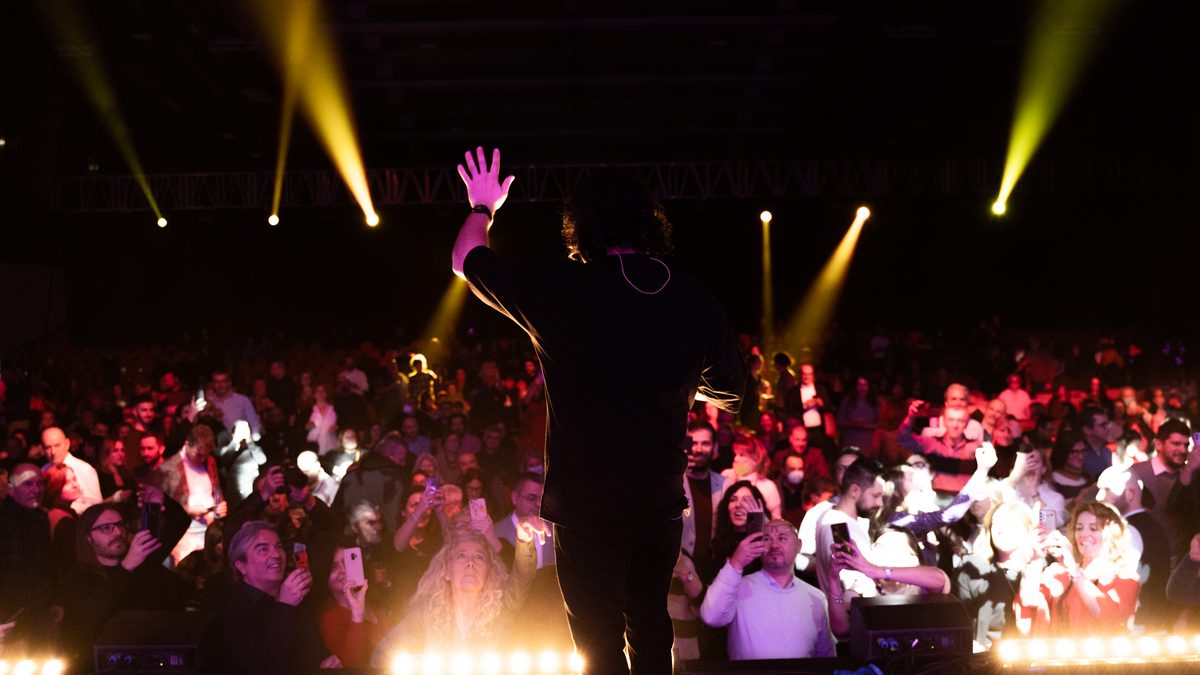
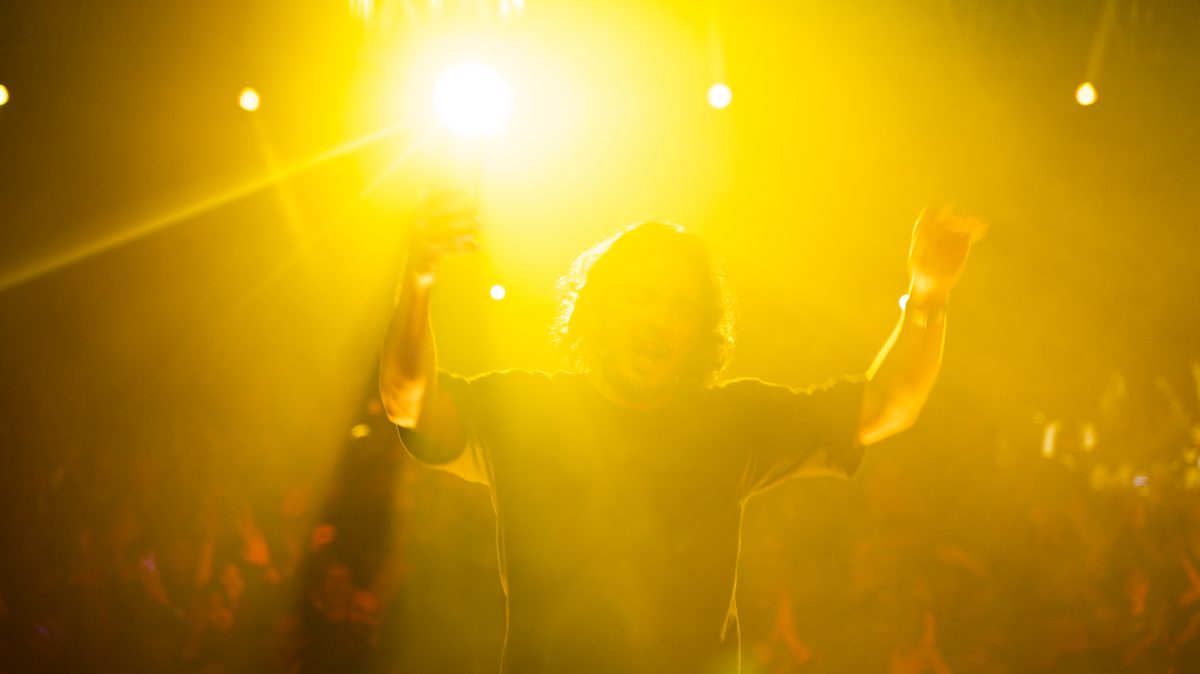
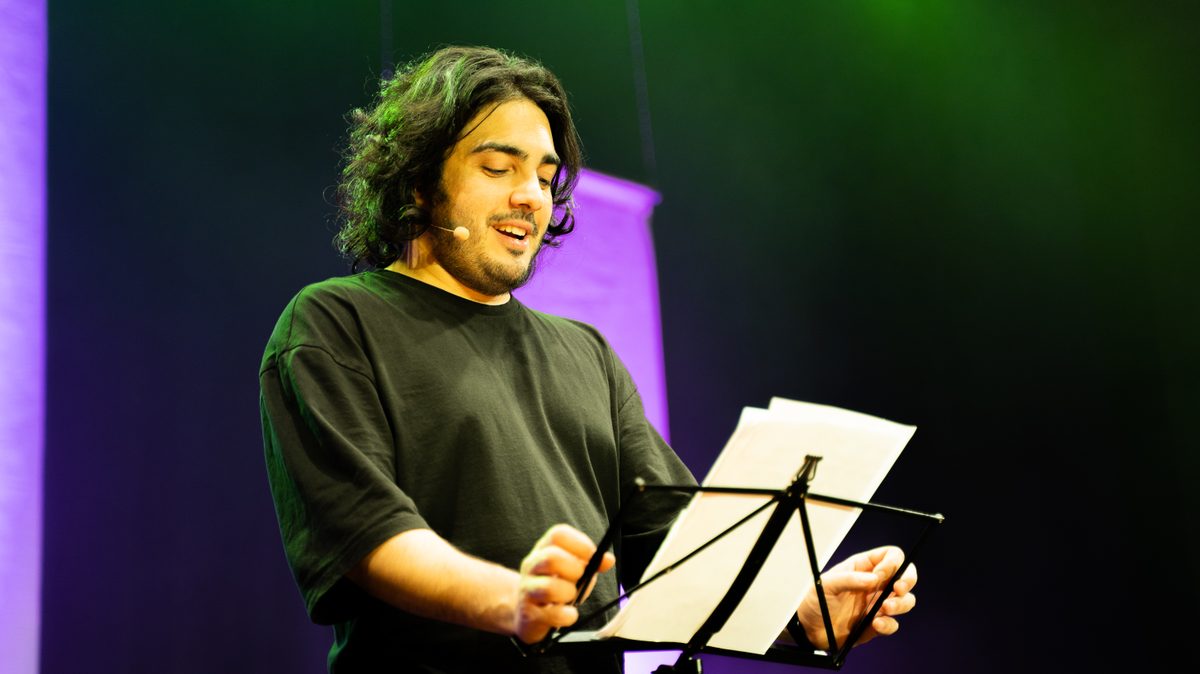
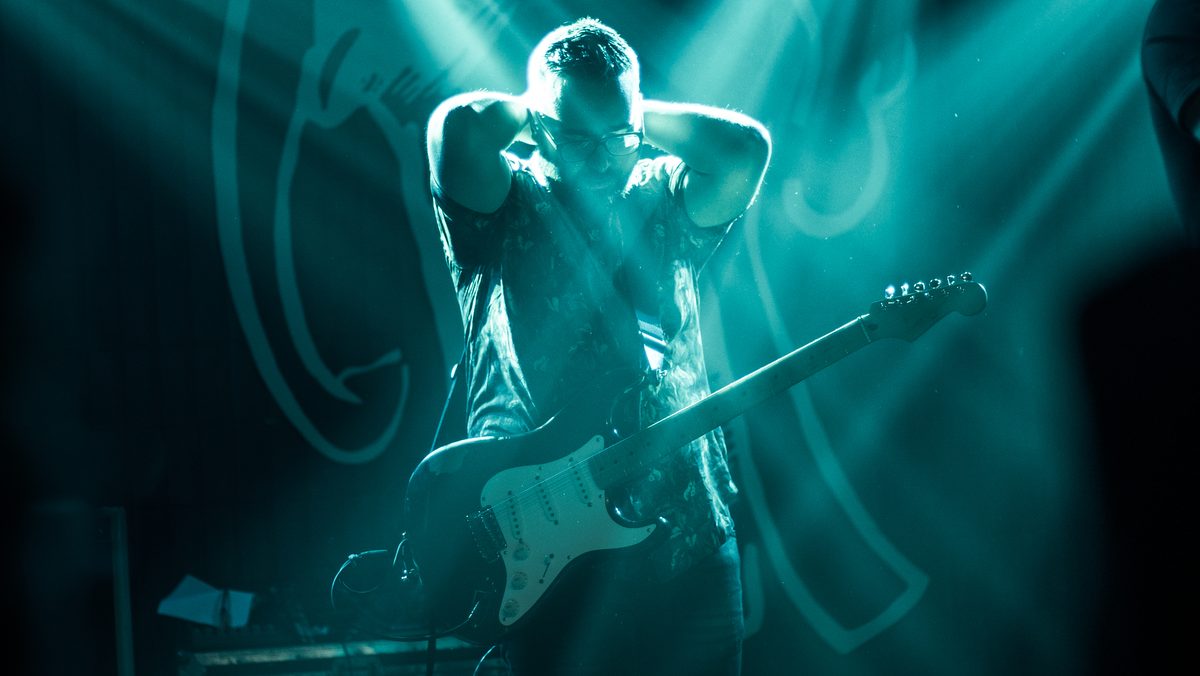
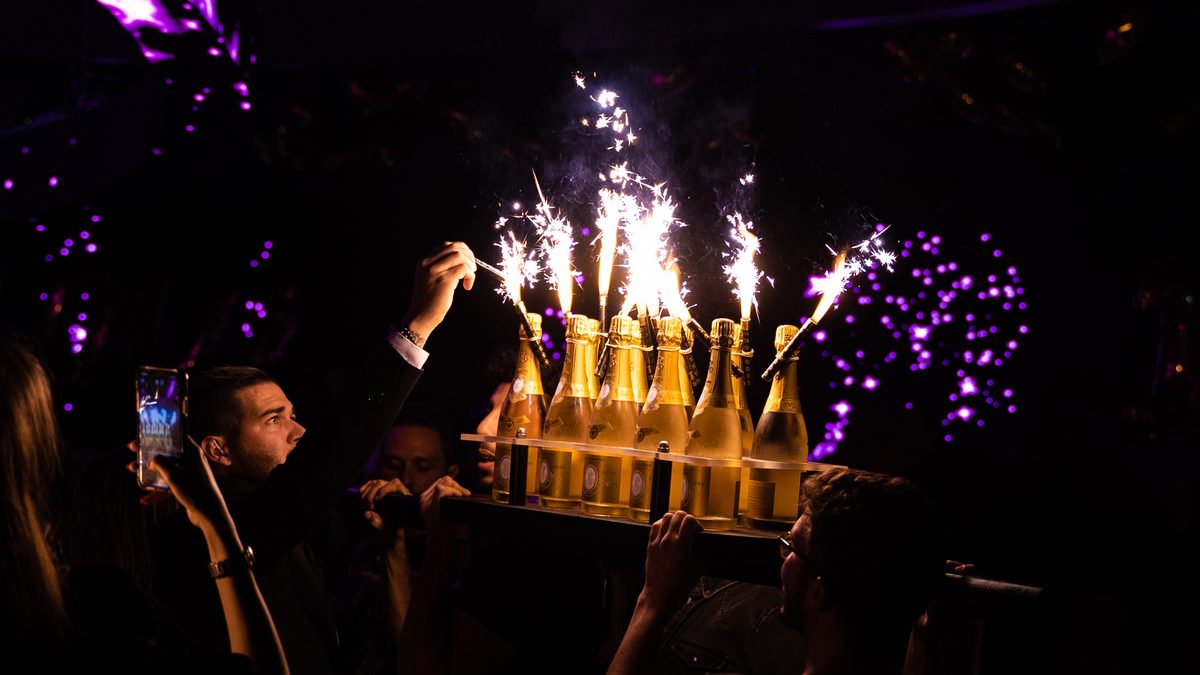
Events are photographically hostile environments: mixed lighting, colour temperatures impossible to predict, subjects in constant motion, extremely tight timing. I have developed a working method that prioritises rapid scene reading and the ability to adapt exposure in real time, without losing visual consistency between one shot and the next.
In event spaces, artificial light tells the mood before the people do. I work to preserve it, not correct it: I calibrate the white balance to maintain the emotional temperature of the scene, avoiding neutralisations that would flatten the atmosphere built by the lighting designers.
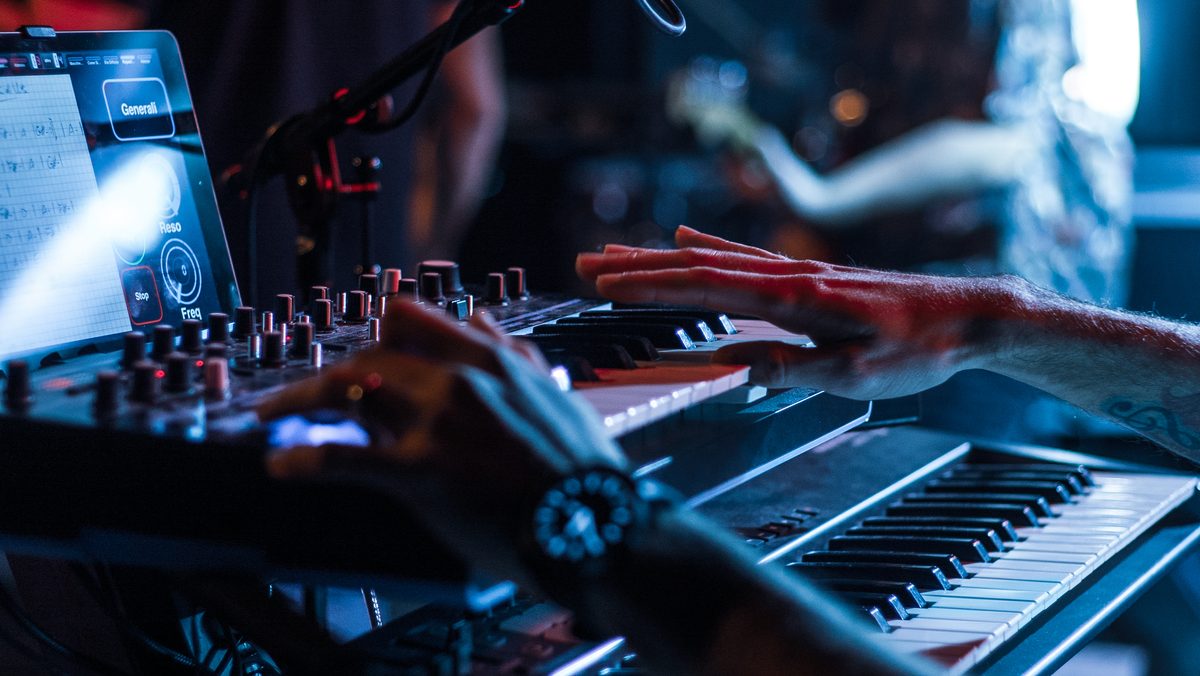
Detail is often the heart of an event: the gesture of a hand, a glance between two people, a set piece caught in the moment when light crosses it in just the right way. I seek these fragments with the same attention I give to the institutional moments, because they are what give narrative depth to the final story.
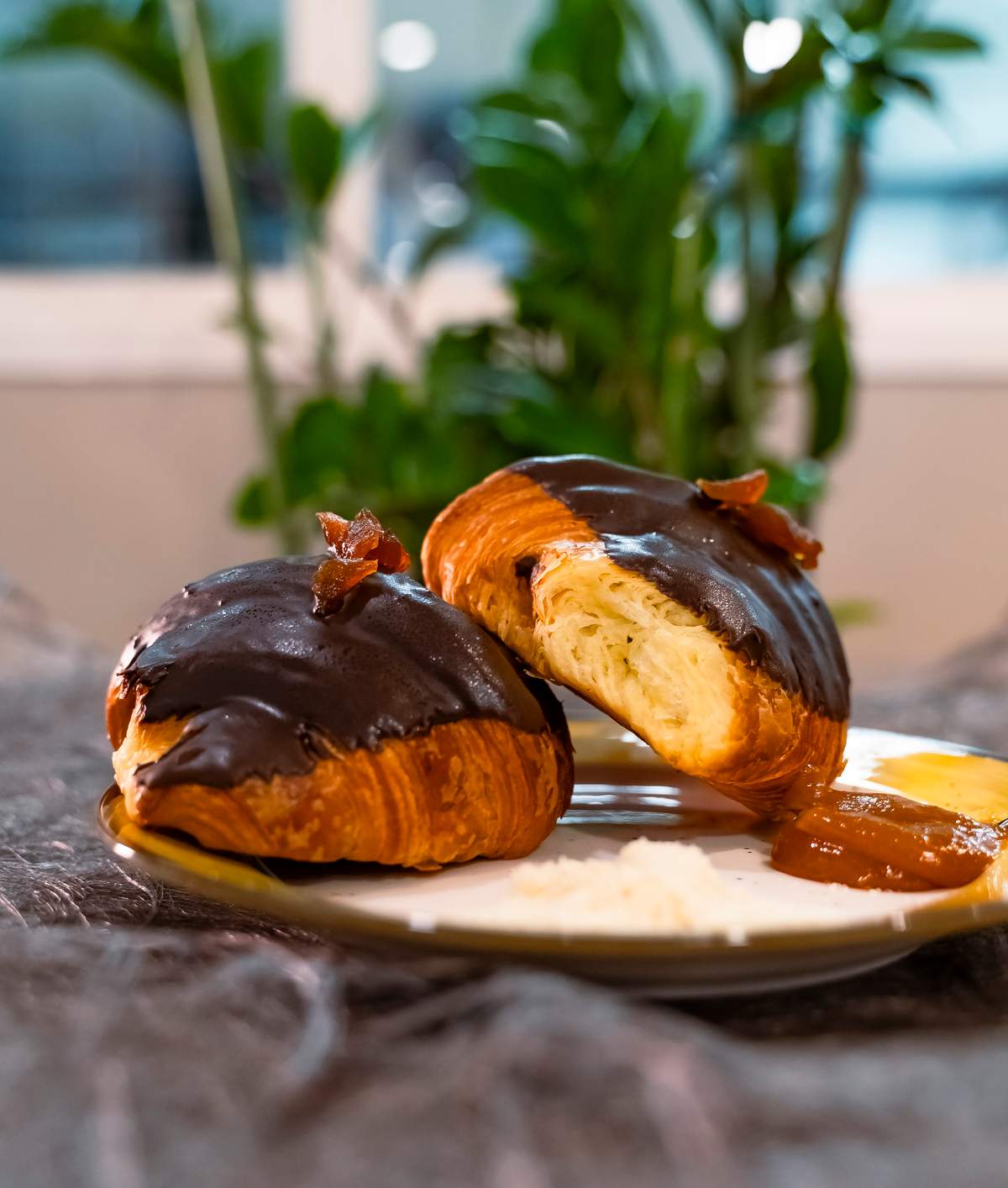
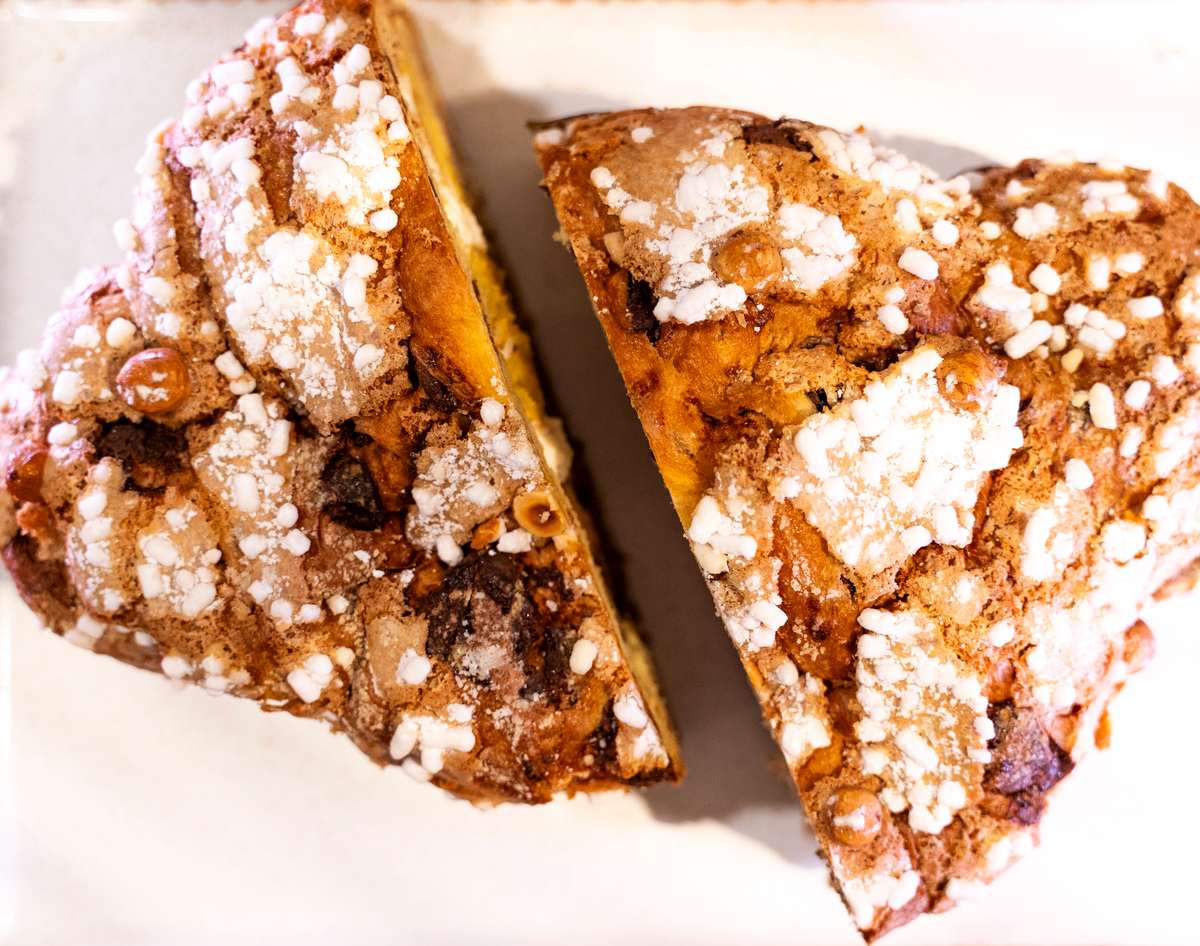
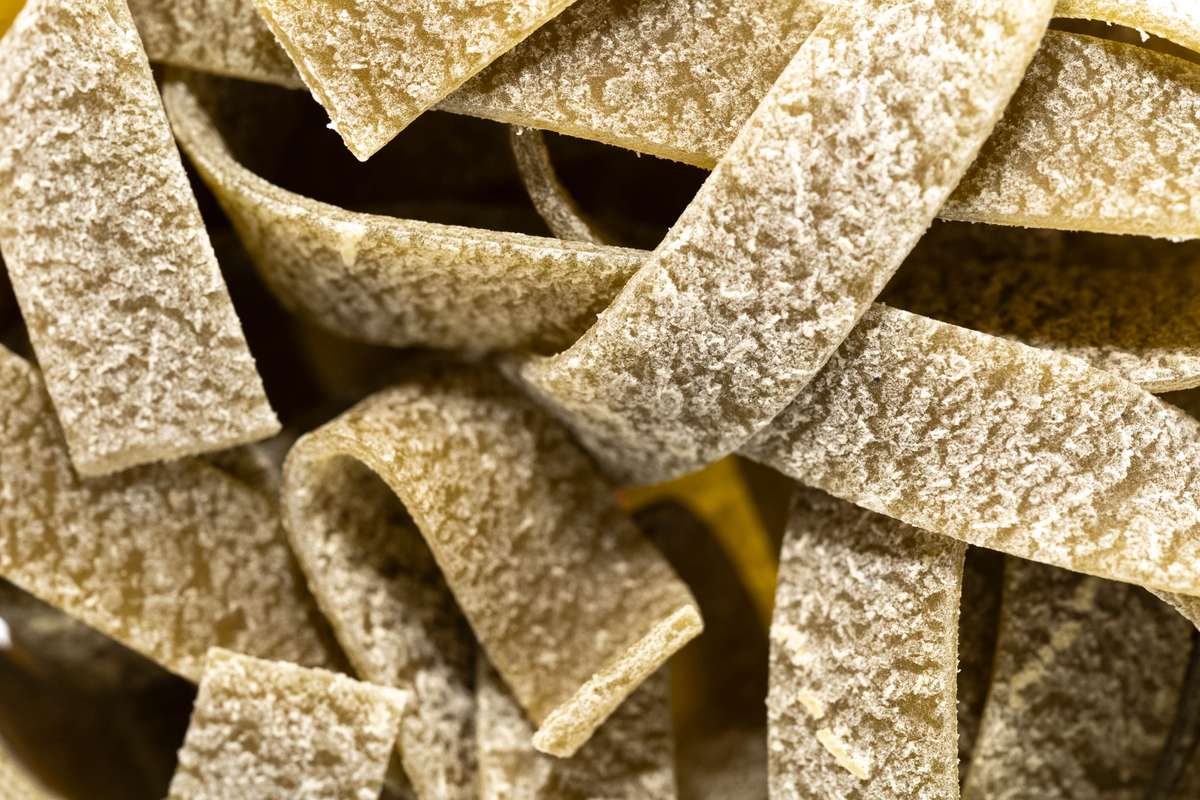
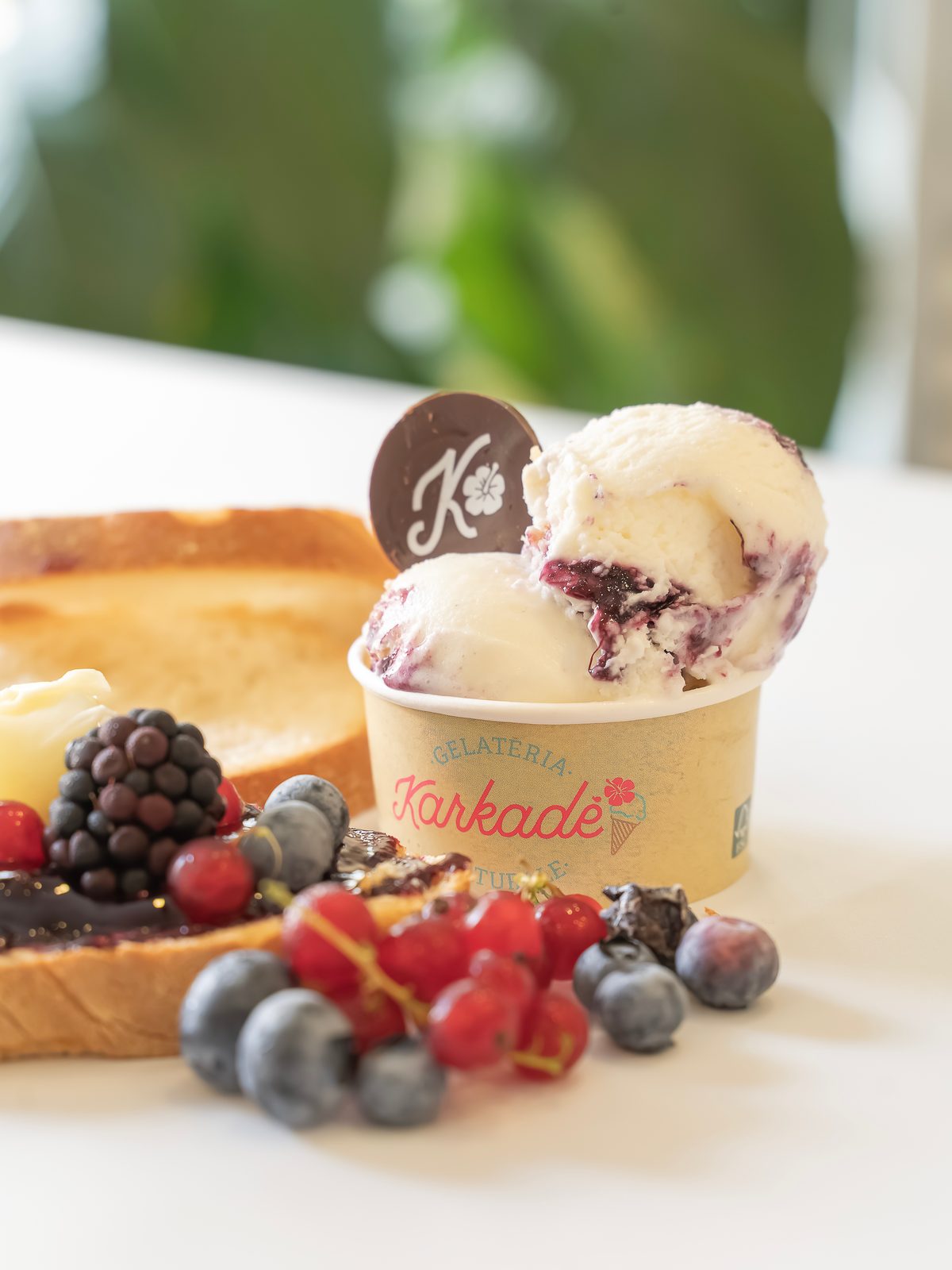
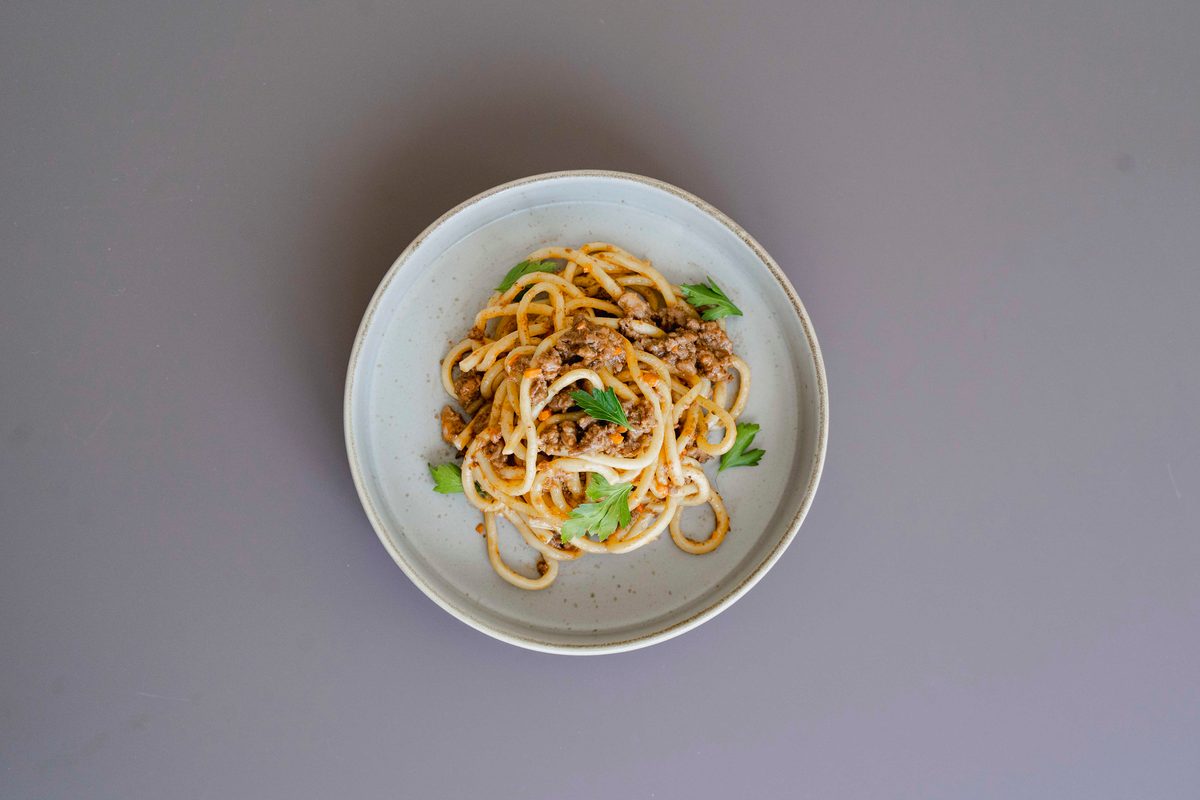
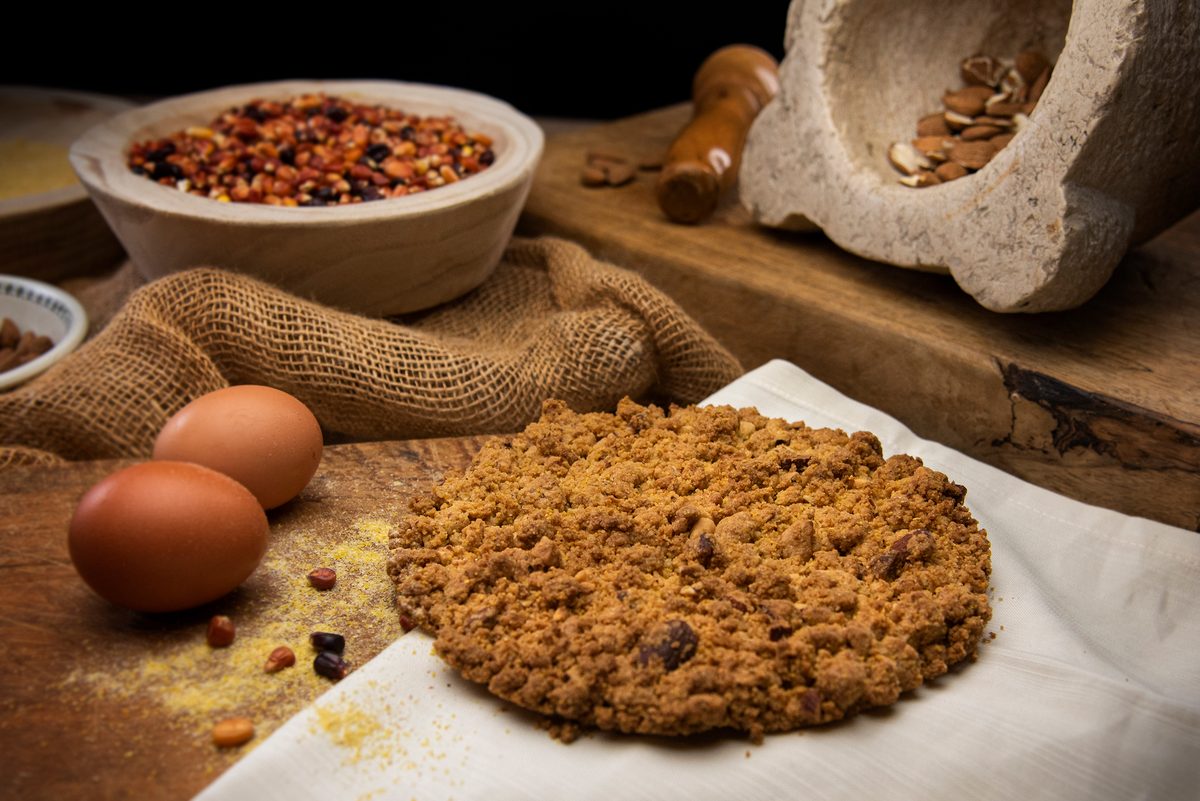
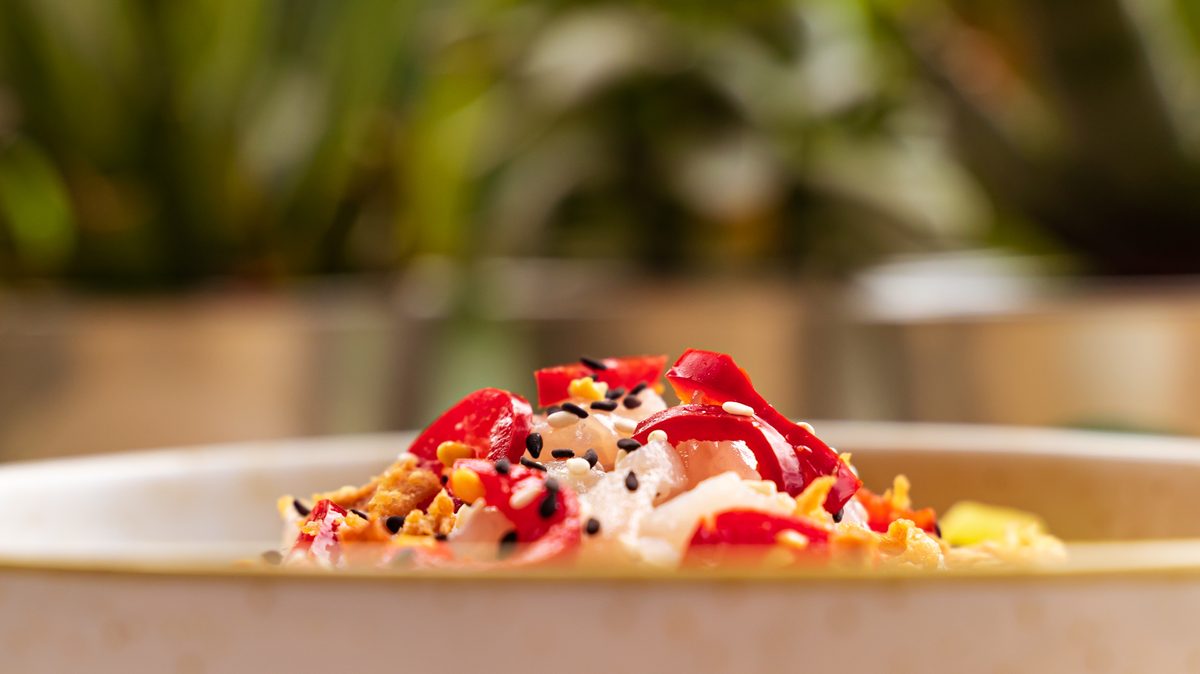
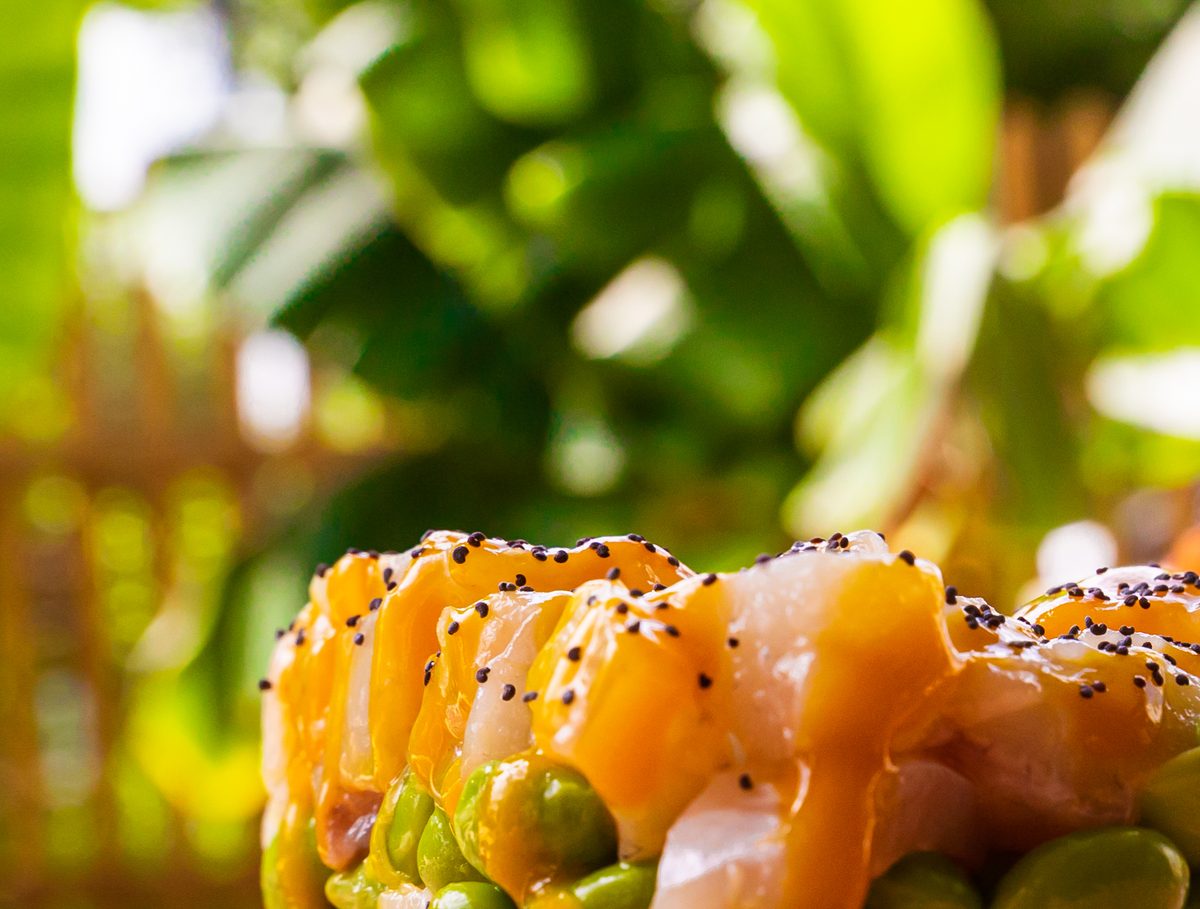
Food photography works on a paradox: it must render the intangible edible, transforming light and photographic chemistry into tactile and olfactory sensation. My approach always starts from the raw material, its texture, the way the surface absorbs or repels light, before thinking about composition or styling.
I work predominantly with natural light or sources that mimic its diffused quality. Hard light on food creates uncontrolled reflections and kills colour depth. A soft, lateral light, studied in relation to the surface of the subject, instead returns the three-dimensionality that makes the difference between an appetising image and a flat one.
Post-production in food is a work of surgical precision. I intervene on localised masks, never with global corrections, to preserve the original chromatic rendering of the scene. Food tones are delicate and react unpredictably to sweeping corrections: the subtlety of the method is what determines the credibility of the result.
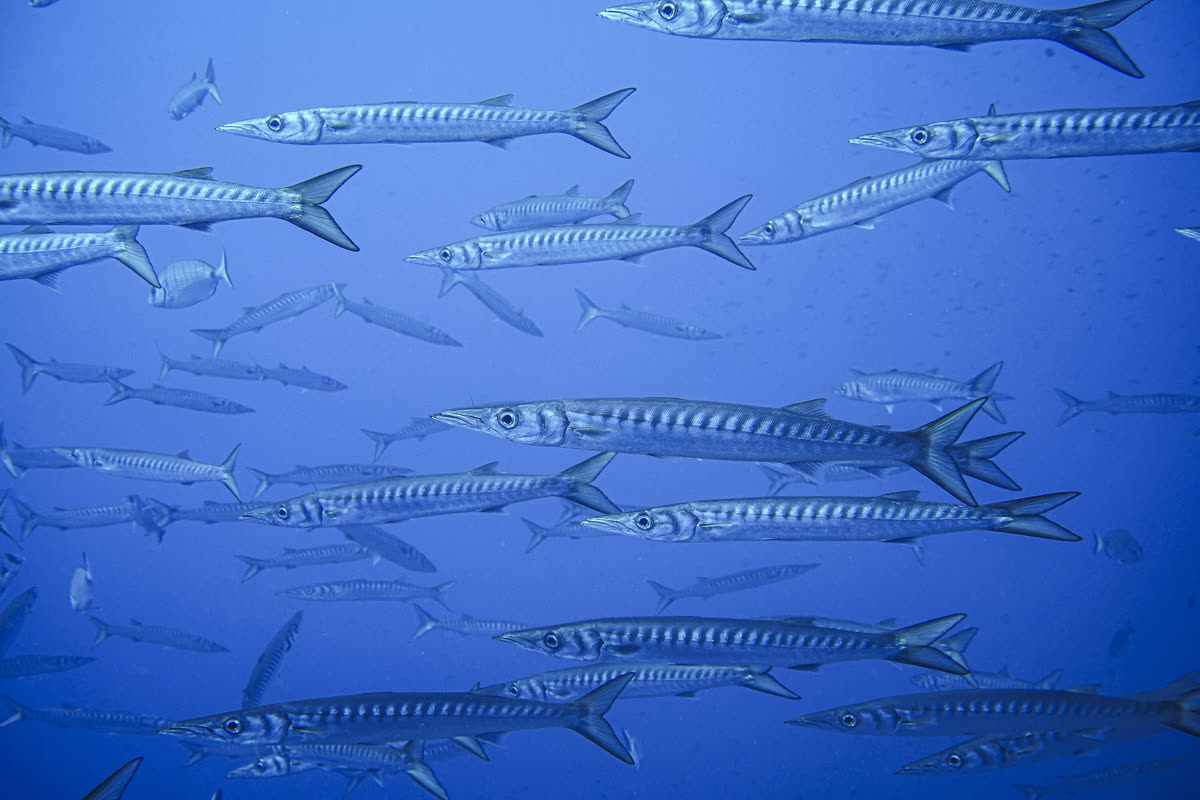
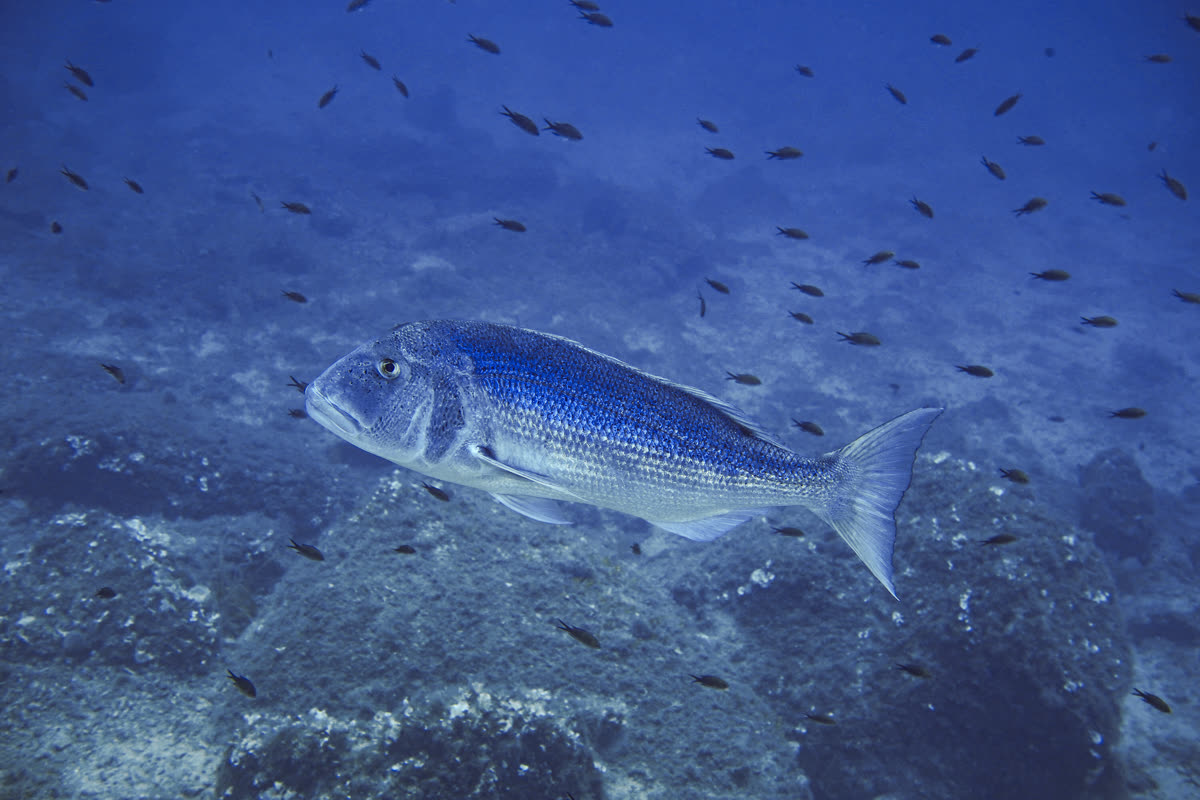
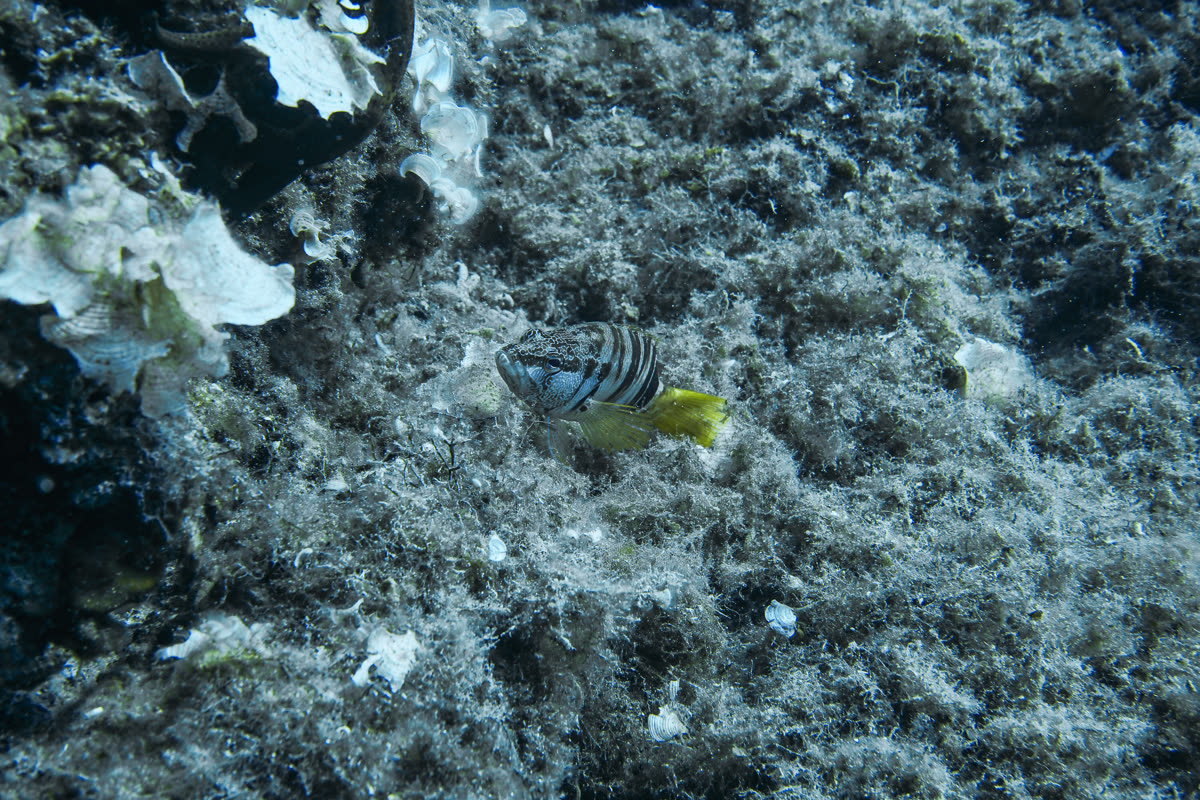
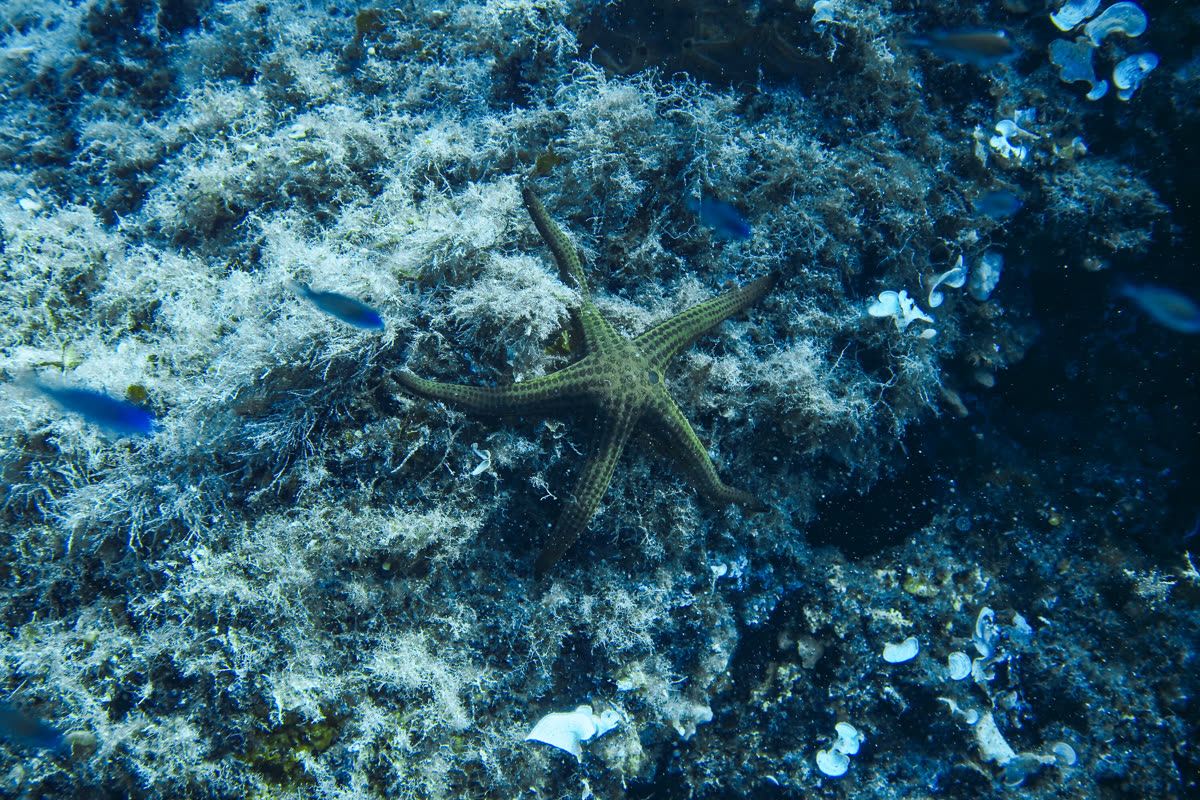
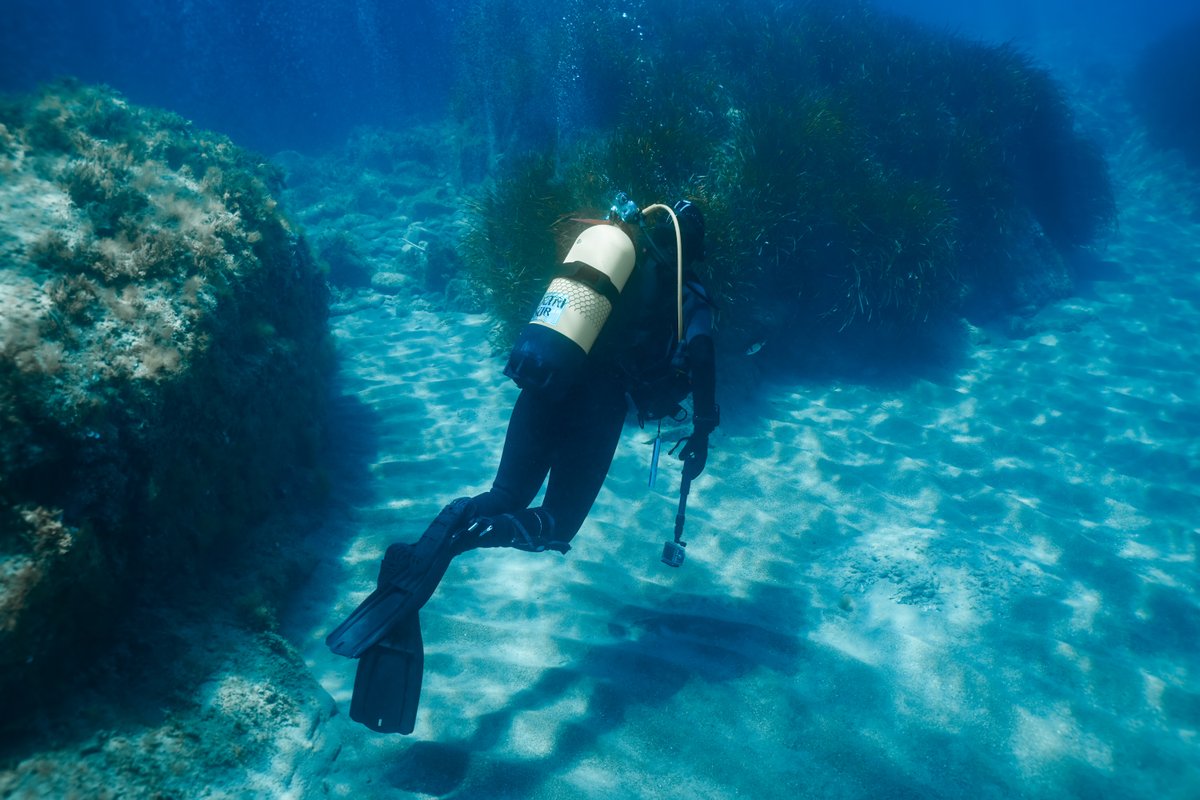
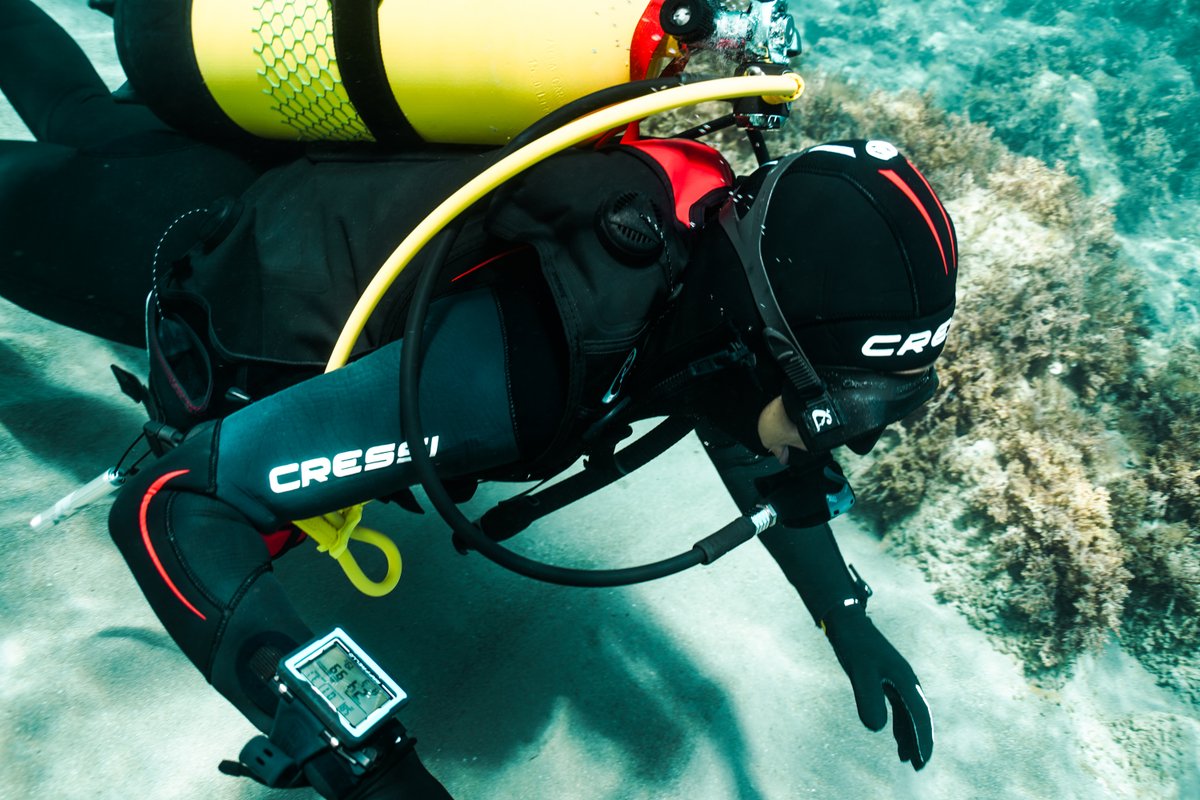
Photographing underwater means accepting work in an environment that transforms every rule of terrestrial photography into an exception. Light loses its warm components at just a few metres of depth, water introduces diffusion and contrast reduction, and every movement of the photographer is reflected in the image. Over the years I have developed a method that starts from the physical understanding of this environment, not from attempting to correct its limits.
The underwater strobe is not a substitute for sunlight: it is an autonomous tool, to be positioned carefully to avoid the backscatter generated by suspended particles. I work with artificial sources angled relative to the lens axis, seeking the light that models the subject without flattening it and without creating the white snow that destroys the cleanliness of the frame.
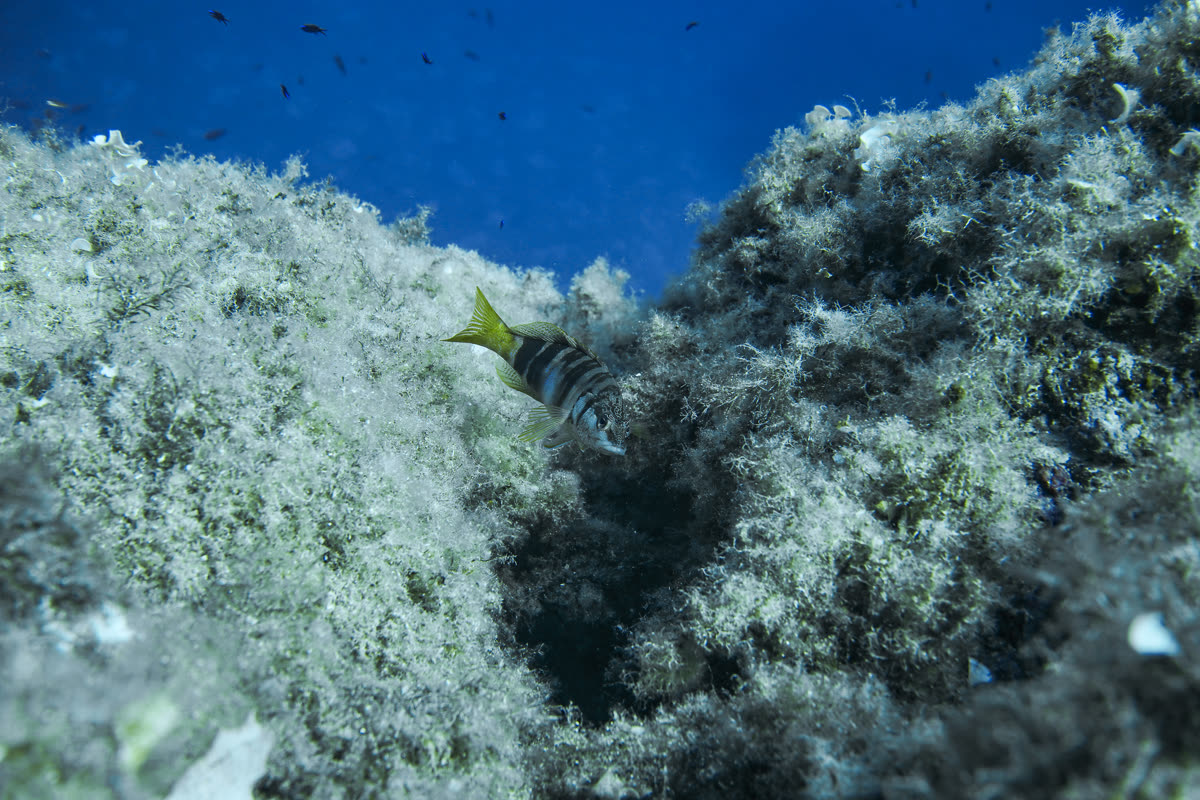
Composition underwater requires control of buoyancy and breathing before even thinking about framing. A stable body means a stable image. I seek available light when depth and visibility allow, using the rays filtering from the surface as an active compositional element, capable of giving perspective and scale to scenes that would otherwise be devoid of spatial references.
Institutional photography requires a balance between representation and authenticity. Organisations and institutions have a consolidated visual identity that must be respected, but an effective institutional portrait or reportage cannot be reduced to pure documentation. I always seek the moment when the person transcends their role and becomes a complete photographic subject.
Light in institutional environments is often conditioned by architecture: offices with flat overhead lighting, conference rooms with projectors and service lights, historic spaces with high windows and natural light that is difficult to exploit. I read each environment before installing any equipment and try to work with what is there, supplementing it only where strictly necessary.
The institutional portrait lives on the relationship between photographer and subject. I always dedicate time to building a rapport before shooting: a subject at ease returns a different posture, a different gaze, a presence in the image that no technical direction can simulate.
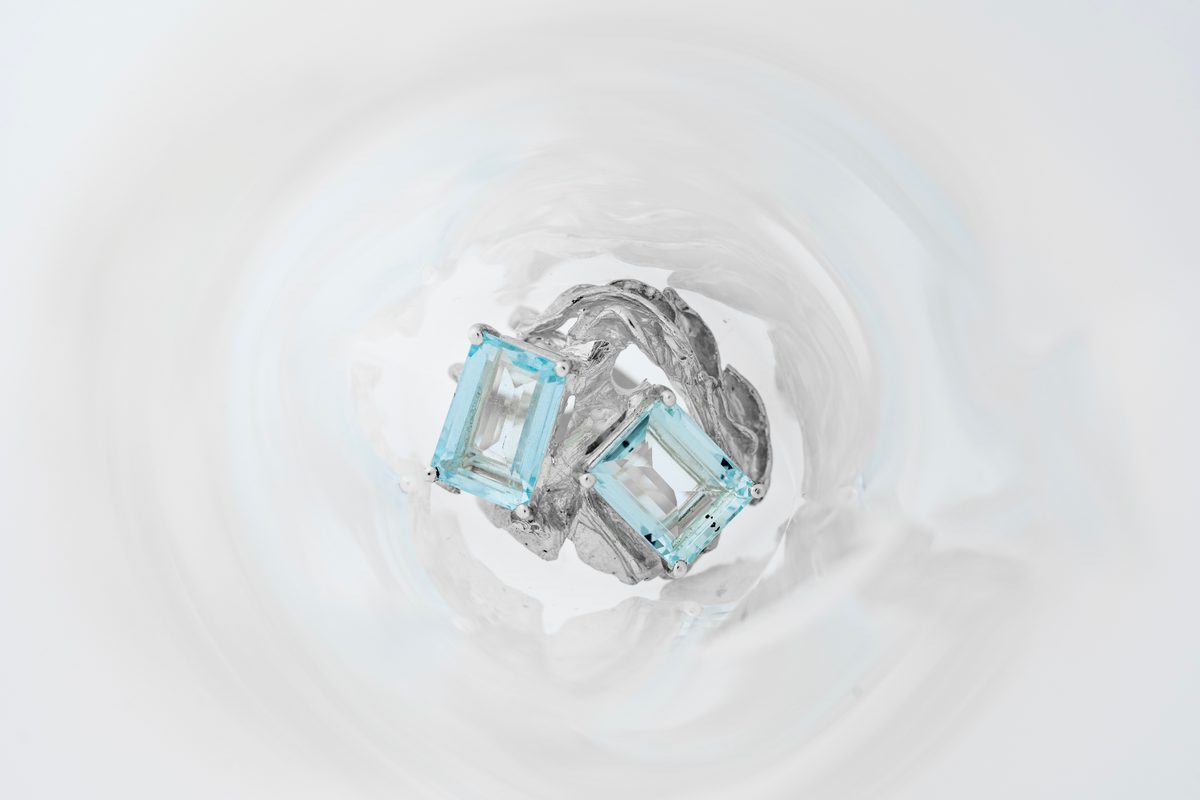
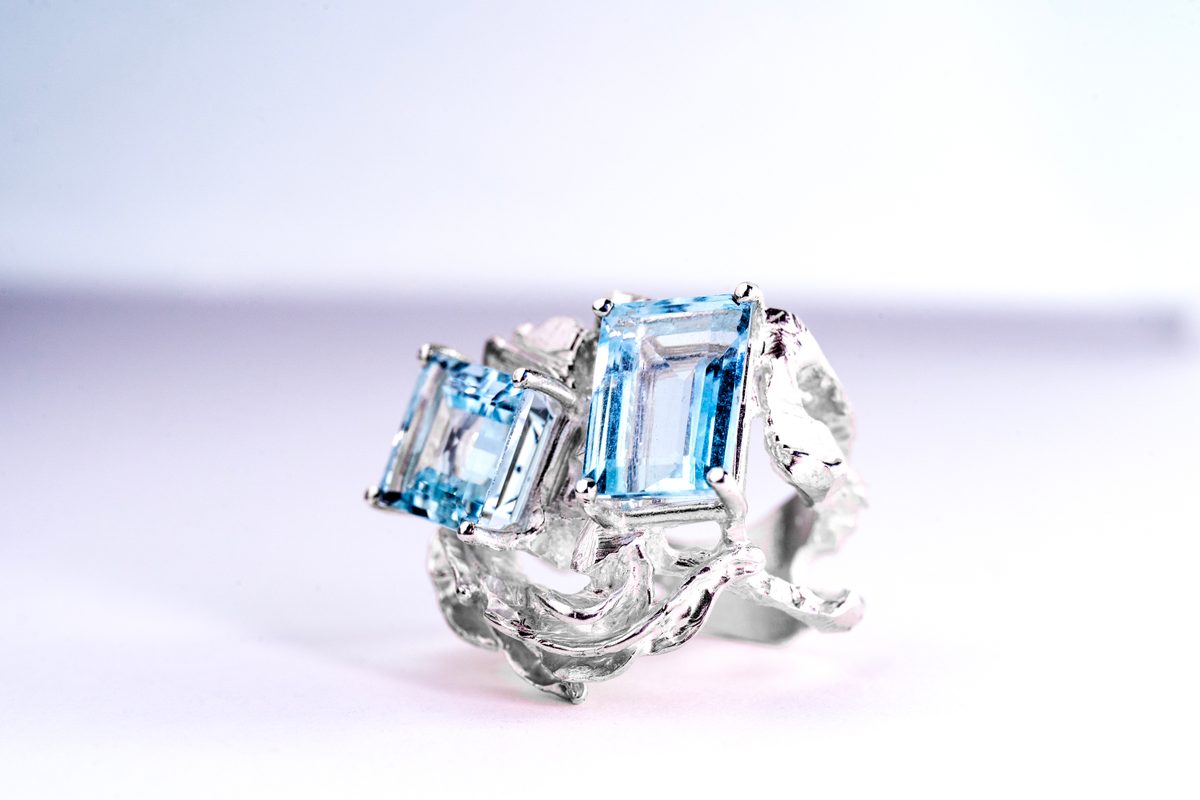
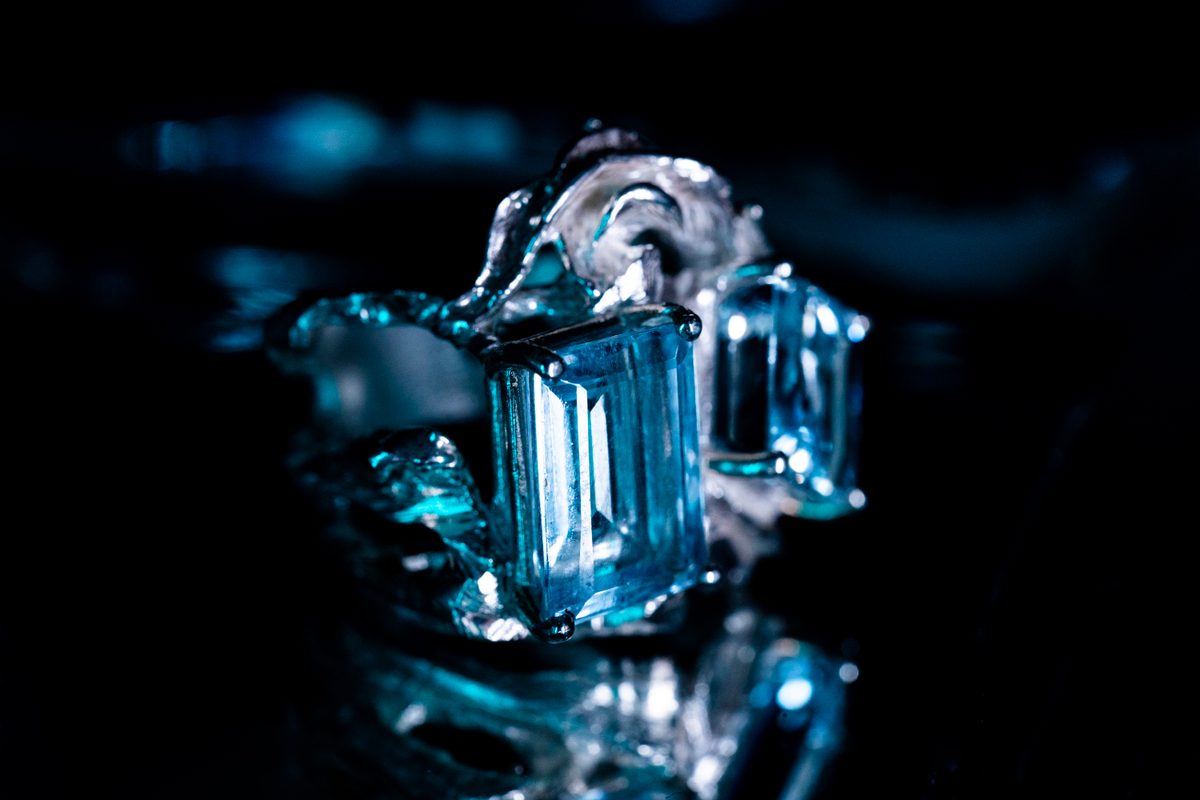
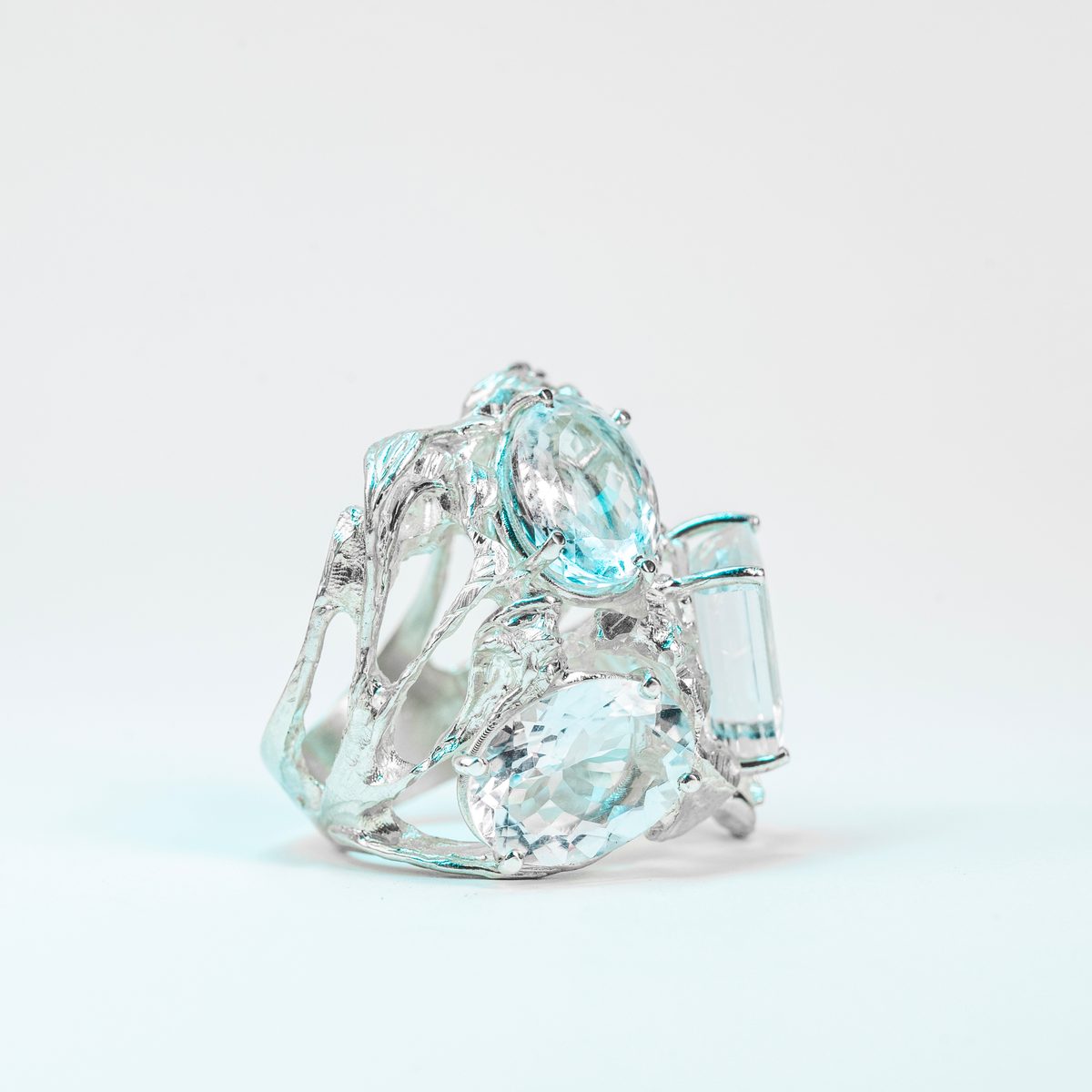
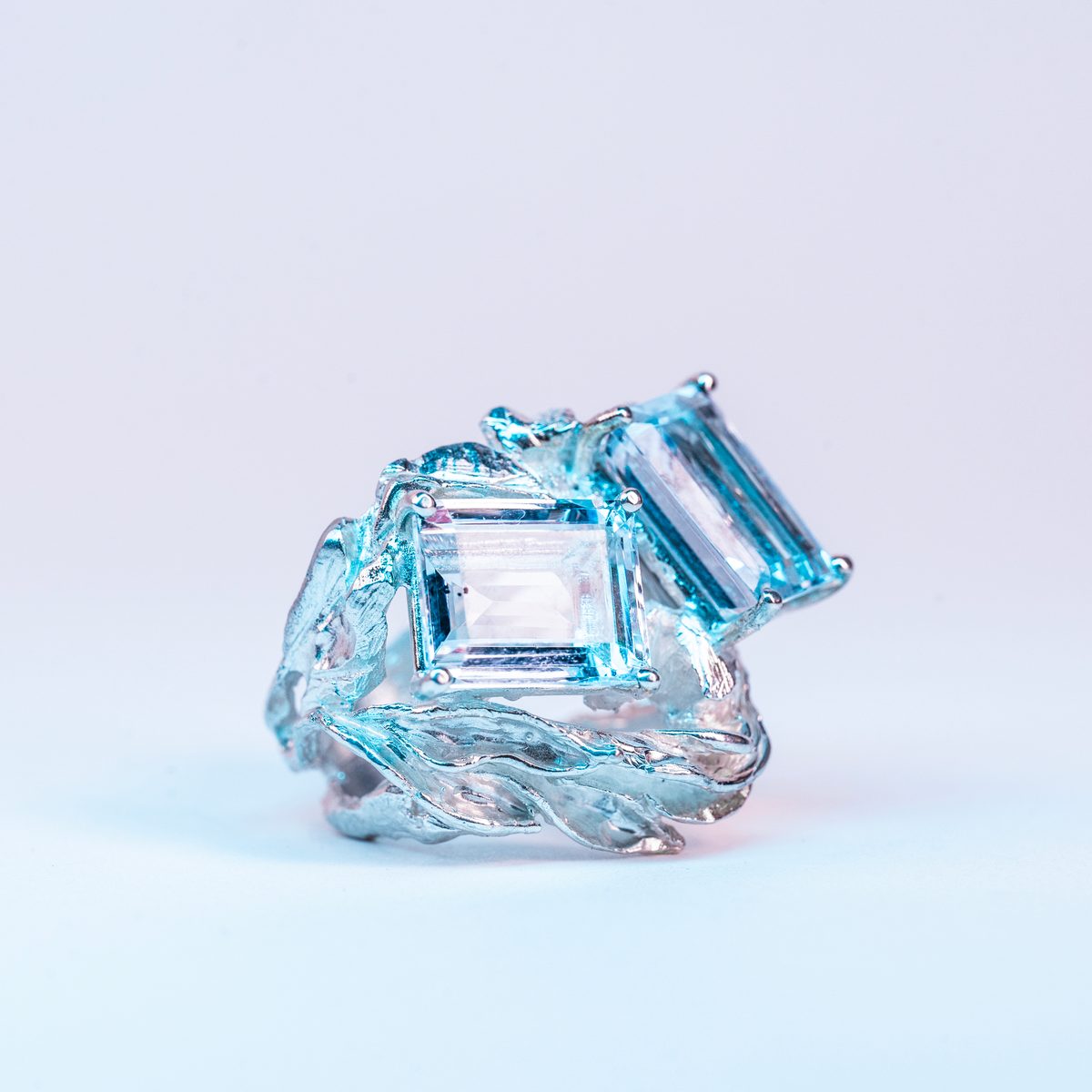
In luxury, every detail is a message. Photography for this segment does not tell the story of the product — it tells the story of the desire the product generates. I work with great attention to the cleanliness of the frame, the quality of the light, the relationship between the subject and the surrounding space, because in luxury the context is an integral part of perceived value.
Light in luxury is always soft, controlled, never casual. I use large, diffused sources to eliminate unwanted reflections on precious surfaces, while maintaining enough directionality to enhance the materials: the grain of leather, the thread of fabric, the refraction of a crystal. Technical perfection in this field is not an option, it is a requirement.
Post-production in luxury is discreet by definition. I don't correct — I refine. I work on tones and contrasts with great parsimony, preserving the chromatic neutrality that high-end brands require to maintain consistency with their visual guidelines. A luxury image must not surprise through its processing: it must look natural even when it isn't.
Real estate photography is a narrative of space, proportion and light. An environment photographed the wrong way loses volume and appeal; photographed the right way it communicates quality, liveability, desirability. My approach always begins with an analysis of the natural light available throughout the day, choosing the shooting time based on the orientation of the property.
Managing mixed interior-exterior light is the main technical challenge in real estate. Bright windows and shadowed interiors create exposure gaps impossible to manage in a single shot. I work with multiple exposure techniques and post-production balancing to return a scene that the human eye perceives naturally but the sensor struggles to record consistently.
The choice of lenses and the management of perspective distortion are critical elements in this field. Wide-angle lenses expand spaces but introduce distortions which, if not corrected with rigour, convey a sense of artificiality that potential buyers immediately perceive. Geometric accuracy and the ability to enhance space must coexist in every image.
Fashion photography is pure construction: every element in the frame is a choice, from the positioning of the light to the posture of the subject, from the choice of backdrop to the relationship between the garment and the environment. I work in close collaboration with stylists and art directors, but always maintain an autonomous vision of the light, which I consider the only element capable of transforming a technical image into a fashion image.
Light in fashion works on the fabric before it works on the body. I study the behaviour of each material under different sources: how silk falls under hard light, how cotton behaves under a diffused source, where denim loses or gains depth. This material reading guides every technical choice before the set even begins.
Fashion portraiture requires precise direction of the subject and the ability to read in real time what is working and what is not. I work with reference monitors on set to avoid relying solely on the camera display. Image quality is assessed at large format, and decisions are made during the shoot, not in post-production.
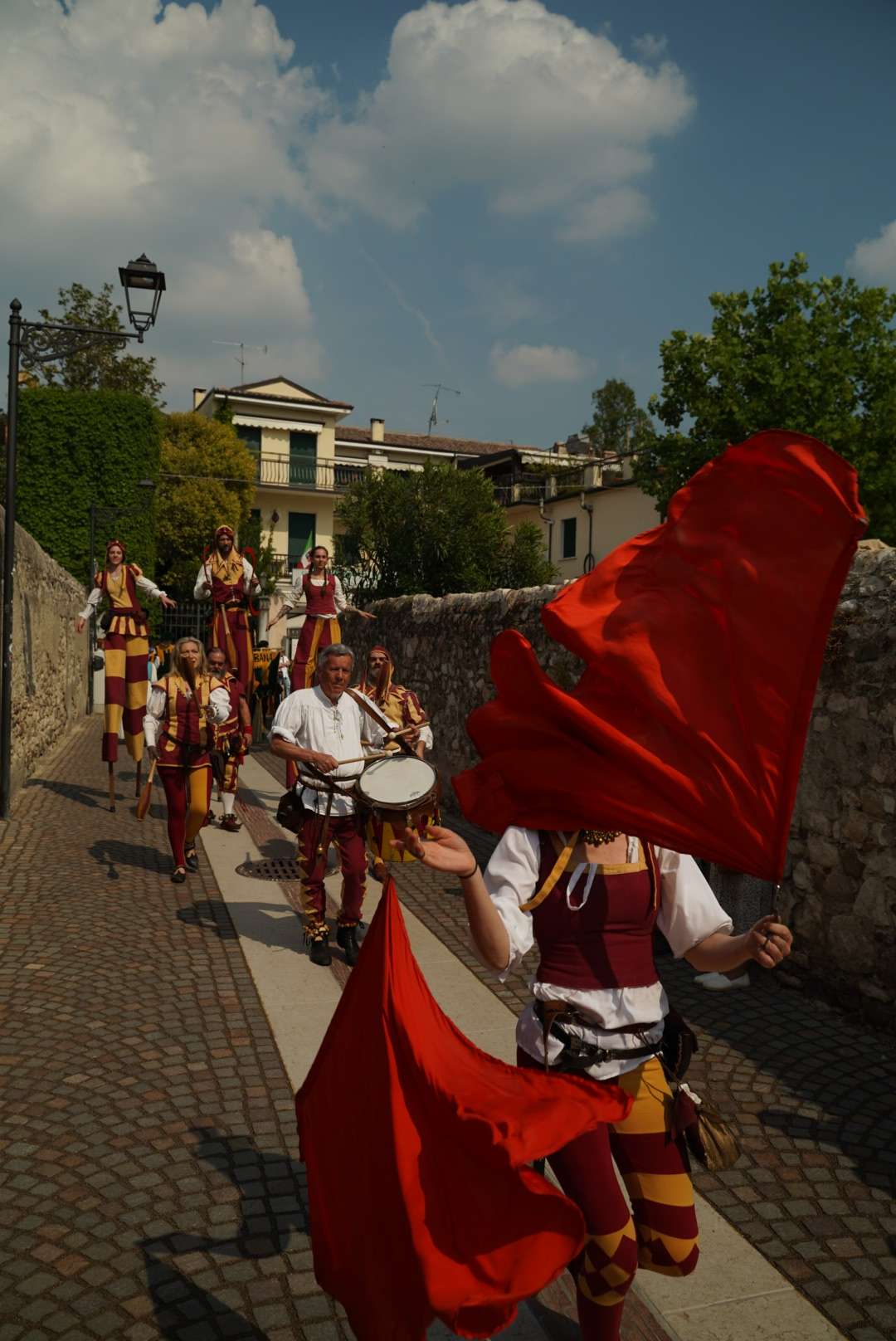
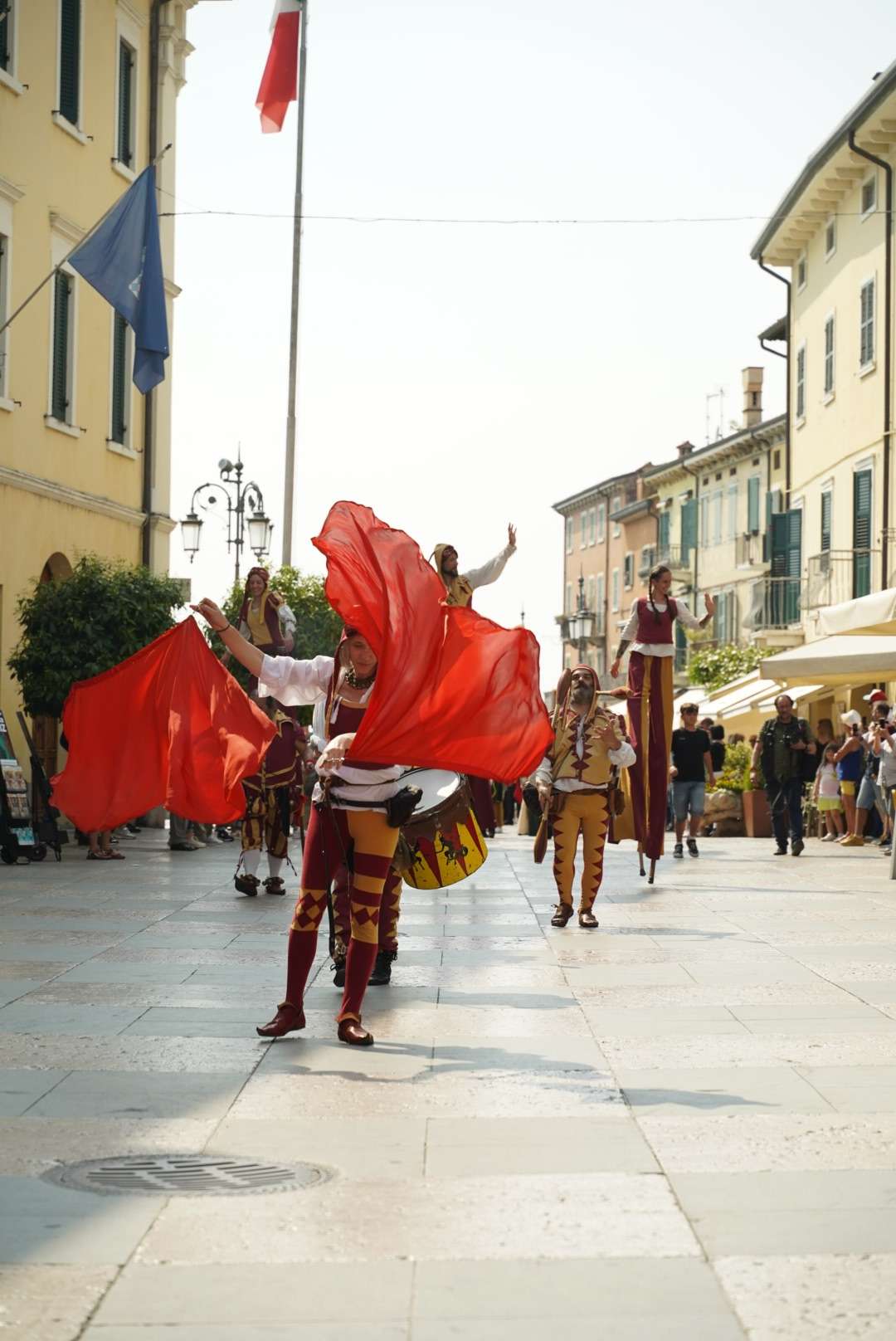
Reportage is the only photographic genre in which technique must become invisible. There is no time to measure the light, to build the frame, to wait for the best moment: there is only the ability to read reality faster than it changes. I have developed an approach to reportage that prioritises preventive technical preparation and anticipatory scene reading, in order to have the freedom to focus entirely on the content.
I work almost exclusively with available light in reportage. Flash modifies the dynamic between photographer and subject, introducing an element of disturbance that alters the naturalness of the scene. I accept digital noise, I accept difficult light, I accept technical complexity in order to preserve the authenticity of the moment. Controlled technical imperfection is part of the language.
The strength of a reportage image almost always lies in the relationship between the main subject and its context. I seek the depth of field that tells the story of both, the framing that does not isolate the person from their environment but returns them as part of something larger. The single frame must contain the story, not merely illustrate it.
04 — WORK WITH ME
Let's collaborate.
I take your content where the light ends.
Write to me and let's build your project together.